 Photoshop
 Houdini
 Blender
 Arnold
 Nuke
Nuke KeyShot
 V-Ray
V-Ray Mari
Mari Marvelous Designer
 Substance Designer
 3ds Max
 3DCoat
 Redshift
 Faceform Wrap
 Lightroom
 After Effects
 OctaneRender
 SpeedTree
 Daz 3D
 Agisoft Metashape
 Fusion
 Modo
Modo RealityCapture
 Gaea
Gaea Cinema 4D
 Gravity Sketch
 Premiere
 Procreate
 Clip Studio Paint
 SketchUp
 SketchBook
 Katana
 Natron
 Mudbox
 Quixel Bridge
 Quixel Megascans
 Quixel Mixer
 Substance 3D Modeler
 World Creator
 Yeti
Yeti Ziva VFX
 Mixamo
 Adobe Medium
 Quixel DDO
 xNormal
 Meshmixer
 Storyboard Pro
 DaVinci Resolve
 TreeIt
 World Machine
 Gaffer
 Corel Painter
 SynthEyes
 Krita
Krita Massive
 Materialize
 Unity
Unity Ornatrix
 PreForm
 Moi 3D
 animBot
 QuickTime
 ReCap
ReCap













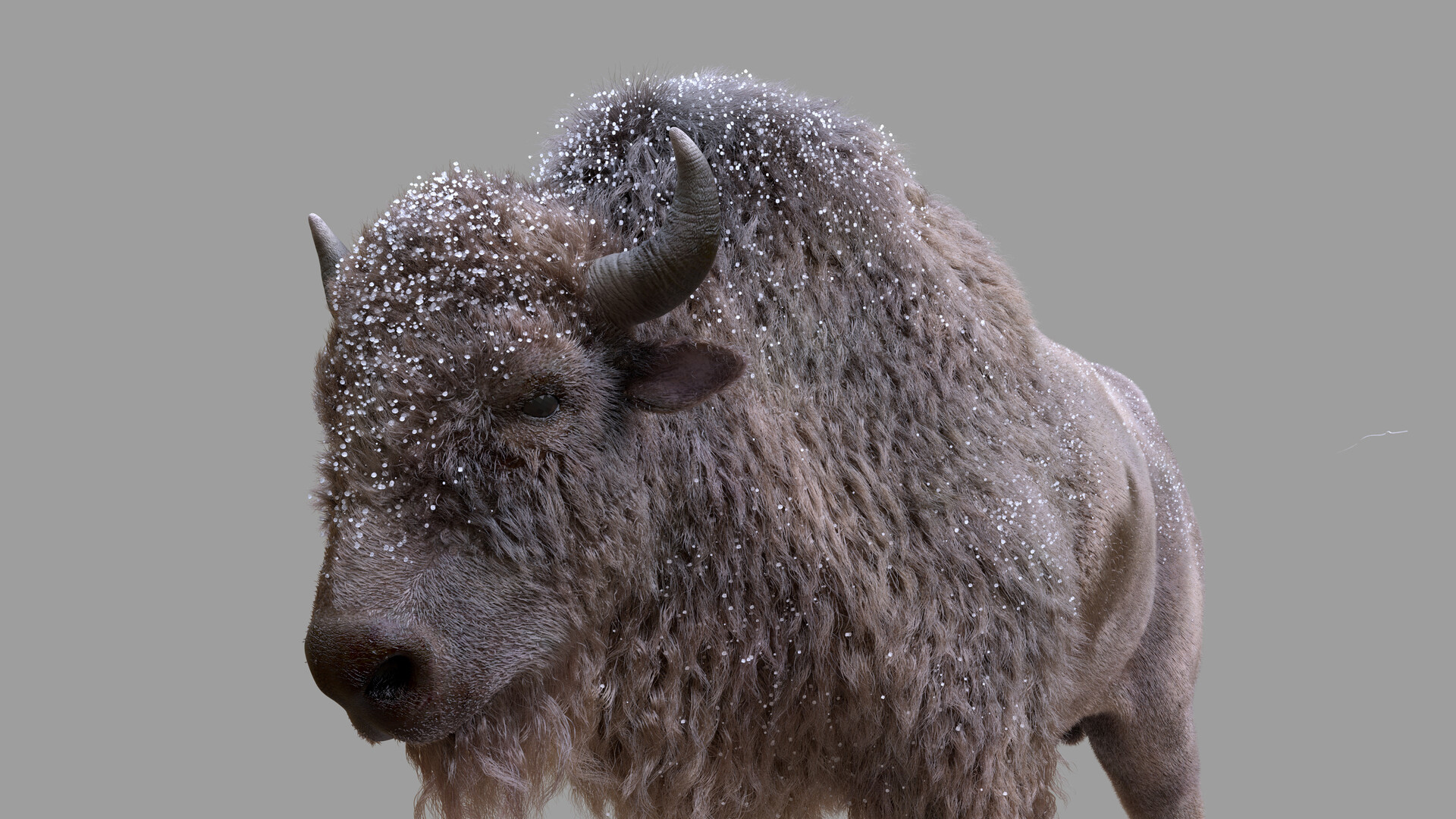
In this 2.5-hour workshop, Guillermo Cortés, Groom and CFX Supervisor, demonstrates the complete process for creating a realistic, optimized horse groom for real-time environments. The complete workflow utilizes Maya, Marmoset Toolbag, Substance 3D Painter, ZBrush, Unreal Engine, plus FiberShop and GS CurveTools. This intermediate- to advanced-level training is designed for artists specializing in character and creature grooming, with a focus on translating traditional grooming techniques into efficient workflows for video games.
Over 9 lessons, Guillermo covers the entire production process, from reference gathering and planning to creating the mane, tail, and body fur using XGen, Maya’s grooming tools, GS CurveTools, FiberShop, Marmoset Toolbag, and Substance 3D Painter, before exporting and optimizing the results for Unreal Engine. He walks through how to manage density, hair cards, and texture baking, and effectively demonstrates how to achieve believable directionality, flow, and volume while maintaining performance.
Throughout the workshop, Guillermo shares valuable production insights drawn from his experience in the visual effects and video game industry, including how to balance artistic quality with technical constraints and collaborate effectively with character, lookdev, and tech art teams. By the end of this workshop, artists will have gained a solid understanding of how to create and implement high-quality real-time grooms for animals in games, and have the confidence to adapt these workflows to other characters and creatures.
9 Lessons
Strong references are essential for creating believable hair. In this lesson, Guillermo analyzes different types of visual references and shows how to study hair flow, clumping, breakup, and silhouette. Understanding these elements will help guide grooming decisions and ensure the final result feels natural, structured, and visually consistent with real-world hairstyles.
Duration: 3m 30s

In this lesson, Guillermo begins building the groom using XGen. He demonstrates how to create a clean guide setup and establish the primary hair flow based on the gathered references. His focus is on organizing guides efficiently and creating a strong base structure that will support the rest of the grooming process and make further adjustments easier.
Duration: 12m 30s

Once the base guides are established, Guillermo uses XGen modifiers to add variation and realism to the groom. This lesson showcases how to control clumping, noise, length variation, and other subtle details that help break the uniformity of the hair. These modifiers are all essential for achieving a natural look while maintaining full artistic control over the hairstyle.
Duration: 17m 14s

In this lesson, Guillermo demonstrates how to prepare the groom for a real-time workflow by baking it into textures using Marmoset Toolbag. This process converts the high-density groom into maps suitable for hair cards. He shows how to generate key textures such as albedo, opacity, normal, and other maps needed to create optimized game hair.
Duration: 19m 1s

After baking the groom textures, Guillermo brings them into Substance Painter to refine and enhance the final look. In this lesson, he shows how to adjust color variation, contrast, and additional details to improve realism. This step helps transform the baked maps into polished textures, ready for use on hair cards in a real-time rendering environment.
Duration: 15m 51s

In this lesson, Guillermo creates hair cards using FiberShop and GS CurveTools. These tools help speed up the process of generating clean and efficient hair geometry. He teaches how to organize the cards, control hair flow, and properly prepare them so they work well with baked textures and maintain a natural appearance.
Duration: 28m 5s

In this lesson, Guillermo imports the hair cards into Unreal Engine and sets up the hair shader. He demonstrates how to configure the materials, connect the texture maps, and adjust parameters to achieve a realistic, real-time hair look. Understanding how hair shading works in Unreal is key to achieving believable lighting and depth in the final character.
Duration: 20m 22s

In this lesson, Guillermo focuses on presenting the character in Unreal Engine. He demonstrates how to set up lighting, cameras, and scene composition to effectively highlight the groom. This stage focuses on creating a professional final presentation that showcases the work and demonstrates how the character would appear in a real-time production environment.
Duration: 14m 1s

In the final lesson, Guillermo focuses on the final grooming polish. He demonstrates how to refine the existing layers, improve silhouette definition, and introduce additional variation and dynamism to the hair. After completing these adjustments, he shows how to transfer the groom to Unreal Engine and refine the lighting setup to enhance the asset's visual quality, resulting in a stronger, more production-ready presentation.
Duration: 14m 20s

Primary tools
For this workshop you’ll need:


* Note that these programs and materials will not be supplied with the course.
Skills Covered
Who’s this Workshop for?
Lookdev artists, technical artists, and junior grooming specialists will also benefit significantly from learning Guillermo's production-proven workflows. His comprehensive approach provides essential knowledge for transitioning traditional grooming techniques into optimized game-ready assets while maintaining high visual quality standards.
Learning Outcomes
Key skills include:
- How to plan and reference realistic horse anatomy for accurate grooming workflows.
- How to create efficient mane and tail grooms using XGen and Maya's grooming tools.
- How to generate optimized hair cards and manage density for real-time performance requirements.
- How to bake textures effectively using Marmoset Toolbag and Substance 3D Painter workflows.
- How to achieve believable hair directionality, flow, and volume while maintaining technical constraints.
- How to export and implement grooms in Unreal Engine for game production pipelines.
- How to balance artistic quality with performance optimization in collaborative team environments.